
Why Firefighter Switches Are Essential for Solar Panel Installations

How to Connect A Diesel Generator to Off-Grid Solar PV System in the Winter
February 4, 2026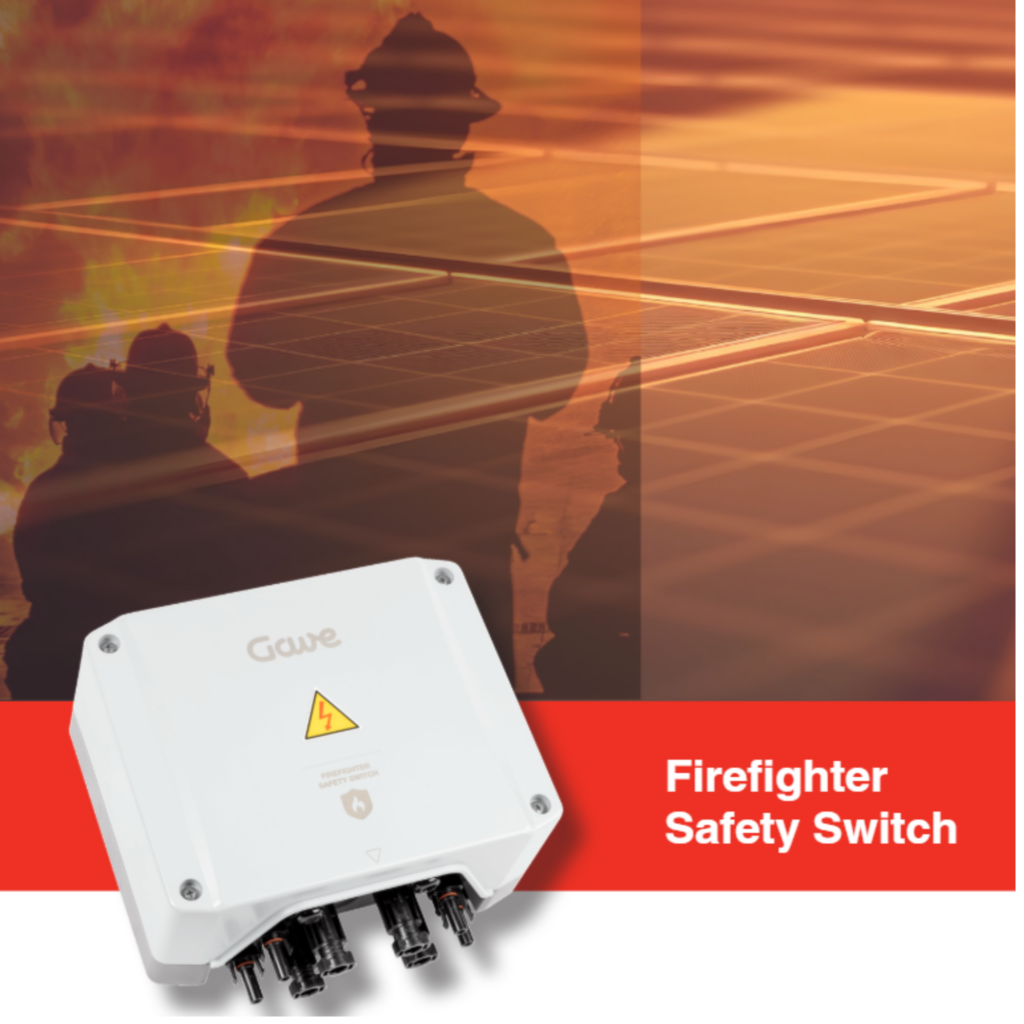
Why Firefighter Switches Are Essential for Solar Panel Installations in Residential and Commercial Buildings
As solar photovoltaic systems become more common on homes, warehouses, offices and industrial buildings, safety during emergency situations has become increasingly important. One of the most important protective devices in modern PV installations is the firefighter switch, also called a fireman switch.
This device is designed to improve safety for emergency responders by disconnecting the DC side of the solar array as close as possible to the panels. In practical terms, this helps reduce the risk of dangerous voltage remaining in rooftop DC cabling during a fire or other emergency.
Why Is a Firefighter Switch Needed?
A solar panel system can continue generating DC electricity whenever the modules are exposed to light. Therefore, even if the AC supply to a building is switched off, the PV strings on the roof may still carry dangerous voltage. For firefighters entering a building or operating on a roof, live DC cabling can present a serious electrical hazard.
In a residential property, firefighters may need to access the roof space quickly to control a fire, ventilate the building or inspect structural damage. Without string-level disconnection, live DC cables may still run through the building envelope.
In a commercial or industrial property, the issue is often even more serious because systems are larger, roofs are wider, cable runs are longer, and multiple strings may be spread across different roof areas.
How Does a Firefighter Switch Work?
A firefighter switch disconnects the PV strings when triggered by an external control signal or by abnormal operating conditions. In many systems, disconnection can be activated remotely from a control unit or emergency stop point. In addition, some units can operate automatically if excessive temperature is detected.
This makes the switch highly valuable because it does not rely only on someone being present and reacting in time. During a real emergency, automatic safety disconnection adds another layer of protection.
Where Should the Firefighter Switch Be Installed?
Correct installation is critical. The switch should be fitted at roof level and as close as possible to the PV modules. The closer the device is to each string, the less live cable remains on the roof during an emergency.
For tilted structures, the switch can often be mounted close to each string on the roof structure. In coplanar installations, a vertical mounting position is generally preferred where practical. It is also important to avoid direct exposure to unnecessary heat build-up and to allow proper spacing for ventilation and drainage.
Does a Firefighter Switch Affect Inverter Operation?
A well-designed firefighter switch does not interfere with the normal operation of the PV system. It does not limit MPPT performance during standard operation and should not introduce significant losses. Under normal conditions, the circuit remains closed and the system works as intended. The switch only opens during emergency conditions or fault situations.
Is It Compatible with All Inverters?
Because the firefighter switch works on the DC side of the solar string, it is generally independent of inverter brand. The most important point is to ensure that the chosen switch is correctly rated for the voltage and current of the installation.
Why Is This Especially Important for Commercial Roofs?
Commercial and industrial solar installations often include a greater number of strings and much larger roof coverage. As a result, emergency isolation becomes more complex. Zone-based layouts and modular designs can improve selectivity, maintenance and response planning, especially on larger buildings.
In these environments, firefighter switches can form part of a broader emergency shutdown strategy, helping responders isolate specific sections of the array more safely and efficiently.
Control Wiring and Emergency Operation
In larger installations, firefighter switches are usually connected to a central control point or emergency push button. This allows the PV strings to be disconnected from a safe location. Depending on the design, installers may also add status monitoring so that the operating condition of each switch can be checked more easily.
Maintenance and Testing
Like any safety device, a firefighter switch should be inspected and tested periodically. Visual inspection, verification of wiring integrity and functional testing of the emergency stop arrangement are sensible parts of routine PV maintenance. A switch that has never been tested should not be assumed to work perfectly when needed most.
Residential and Commercial Summary
For homes, firefighter switches add an important layer of rooftop safety and help reduce the risk posed by live DC strings during fire response. For commercial buildings, warehouses, offices and industrial sites, they are even more important because the solar system is usually larger and the consequences of live DC cabling can be more severe.
In both cases, the main purpose is the same: to disconnect the PV strings close to the source, reduce dangerous voltage on rooftop cable runs, and support safer intervention during emergency conditions.
Conclusion
As solar adoption continues to grow across the UK, safety design must develop alongside performance and energy savings. Firefighter switches are not just an accessory. They are a practical protective measure that can improve emergency response conditions, reduce rooftop DC risk, and support safer operation of both residential and commercial PV systems.
For any installer, designer or building owner planning a modern solar project, firefighter safety isolation should be considered an important part of the overall system design.
